Injury Prevention Programs
Learn practical ways to prevent injuries and promote safety in your community. Washington
Health offers educational programs covering bleeding emergencies, fall prevention,
driving, pedestrian and bicycle safety, and choking response.
Program Information & Requests:
Whether you're looking for a class, lecture, or presentation, our Injury Prevention
team can help you find the right program for your needs. To learn more or request
a program for your organization or community group, please contact
Garrett Cordes, Injury Prevention Coordinator, at
Trauma_Dept@WashingtonHealth.com.
Stop the Bleed®
Learn how to recognize and respond to life-threatening bleeding.
Learn More
Fall Prevention
Learn strategies to improve balance, strength and confidence and reduce fall risk.
Learn More
Driving Safety
Learn how to reduce distractions and make safer choices behind the wheel.
Learn More
Pedestrian Safety
Get practical tips for staying safe while walking near traffic.
Learn More
Bicycle and Helmet Safety
Learn how to ride safely and choose and properly fit a helmet.
Learn More
Choking Education
Learn how to recognize choking and respond appropriately.
Learn More
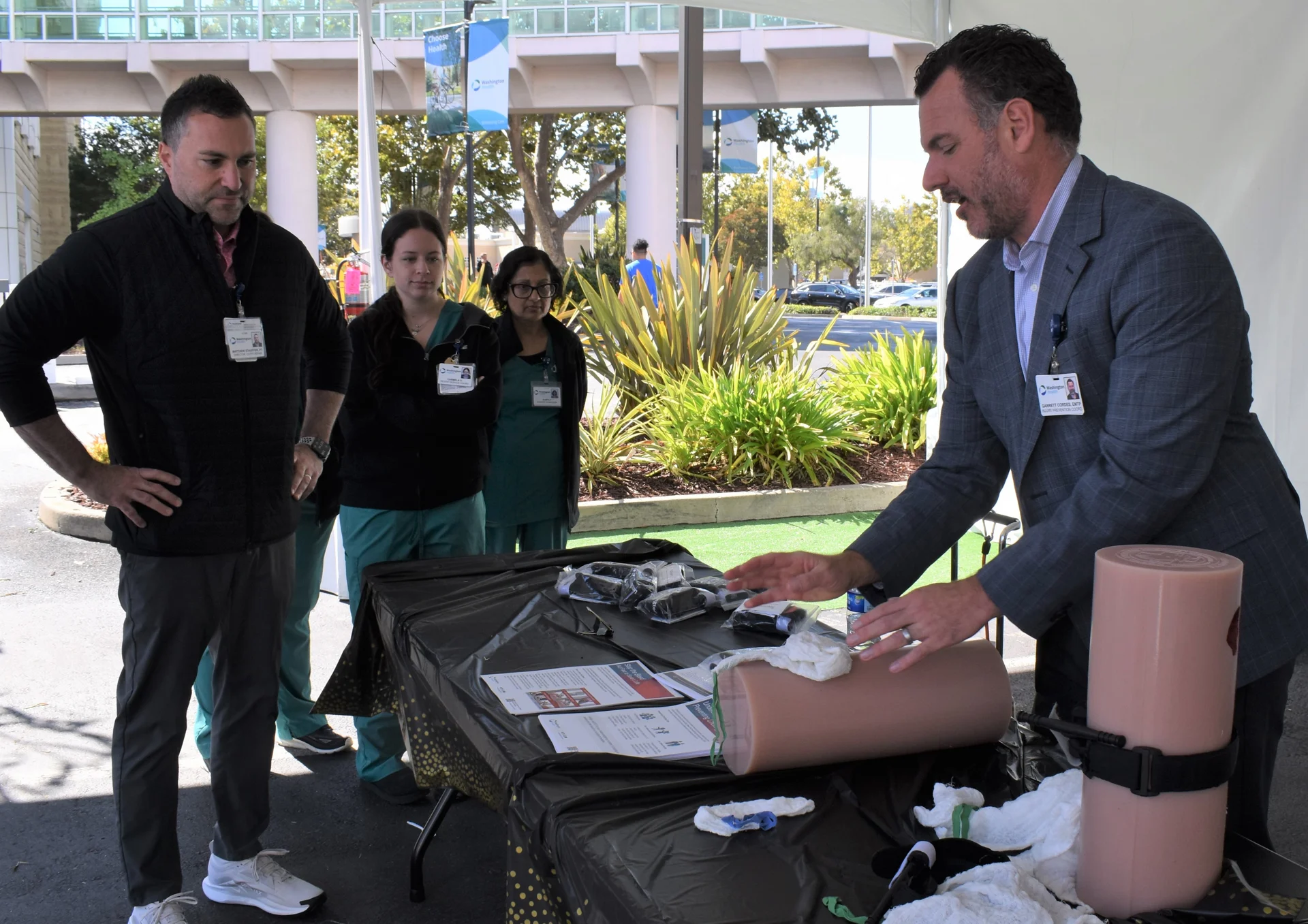
Stop the Bleed®
Stop the Bleed® is a nationally recognized training program that empowers everyday
people to take action during a bleeding emergency. Severe bleeding can become fatal
within minutes, and immediate bystander response can make the difference between
life and death before first responders arrive.
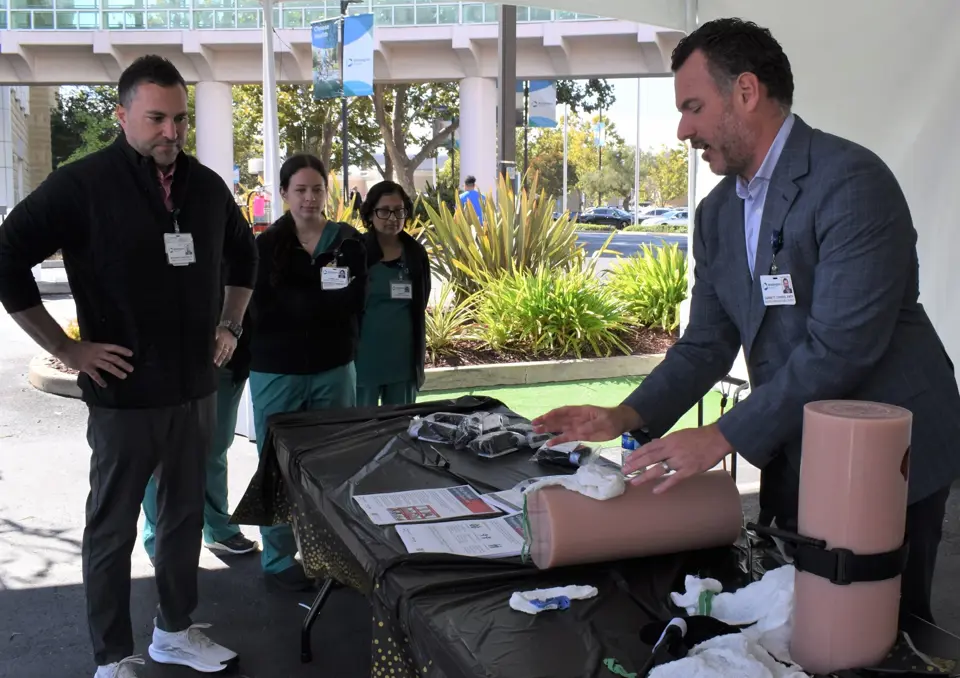
This hands-on workshop provides practical, lifesaving skills that can be used in
situations such as serious accidents, workplace injuries, natural disasters, or
acts
of violence.
This hands-on training teaches you how to:
- Recognize life-threatening bleeding
- Apply direct pressure to a wound
- Pack a wound to control severe bleeding
- Properly use a tourniquet
- Take action and provide care until EMS arrives
Programs and Education
-
Full workshop (30–60 minutes):
Includes a brief presentation and hands-on practice.
-
Skills-only demonstration:
A shorter option for community events and groups.
Who Can Participate?
Stop the Bleed® training is open to everyone and is ideal for schools, workplaces,
community groups, and individuals.
Classes are offered at Washington Health and can also be provided at your organization
or community event at no cost.
Learn More
Fall Prevention
Falls are one of the leading causes of injury, hospitalization, and loss of independence
in older adults. Even a single fall can result in fractures, head injuries, reduced
mobility, and fear of falling again. The good news is that many falls are preventable.
Washington Health offers evidence-based fall prevention programs designed to improve
strength, balance, and confidence so older adults can stay active and safe.
Programs and Education
Matter of Balance
A nationally recognized program that helps older adults reduce their fear of falling
and build confidence in everyday activities. Participants learn practical fall
prevention
strategies, increase physical activity, and improve balance through
guided discussions
and group activities.
Bingocize®
A fun, interactive program that combines exercise, health education, and bingo. Participants
can improve strength, balance, and mobility while promoting social connection and
overall wellness.
Fall Prevention Lecture (1 hour)
This presentation covers practical ways to reduce fall risk, including common risk
factors, home safety recommendations, and the National Council on Aging (NCOA)
6
Steps to Prevent a Fall:
- Get your vision and hearing checked annually
- Find a good balance and exercise program
- Talk to your health care provider
- Regularly review your medications
- Keep your home safe
- Talk to your family members
Who Can Participate?
Fall prevention programs are available for older adults, caregivers, senior living
communities, senior centers, and community organizations.
Learn More
Driving Safety
Programs and Education
Distracted Driving
This presentation helps participants understand how texting, eating, adjusting technology
and other distractions can affect their ability to drive safely. Participants learn
how distractions increase crash risk and how focused driving can help prevent serious injuries.
Drive Safer, Drive Longer
This program helps older adults address age-related changes that can affect driving
while maintaining mobility and independence.
Topics include:
- Vision, hearing, and reaction time changes
- Safe driving strategies for older adults
- Planning for challenging driving conditions
- Extending safe driving years while maintaining independence
Program Format
The 45–60 minute interactive presentations are ideal for teen drivers, older adults,
workplaces, schools and community groups. Programs are offered at Washington Health
and can also be brought to your organization or community event.
Who Can Participate?
Driving safety programs are available for teens, older adults, workplaces, schools,
community groups and organizations.
Learn More
Pedestrian Safety (TRED Wise)
Washington Health offers pedestrian safety education to help people recognize traffic
hazards, make safer choices and reduce the risk of pedestrian injuries.
TRED Wise
is an evidence-based pedestrian safety presentation developed through the Training,
Research, and Education for Driving Safety (TREDS) program at UC San Diego.
TRED Wise Pedestrian Safety Presentation
This 45–60 minute interactive presentation provides practical tips for staying safe
while walking near traffic. Participants learn how to:
- Cross streets safely using marked crosswalks
- Stay alert and avoid distractions, including mobile devices
- Improve visibility in low-light conditions
- Recognize common traffic hazards and unsafe driving behaviors
- Take age-specific safety considerations into account for older adults and children
Program Format
The presentation is ideal for schools, senior centers, community groups and local
organizations. Programs are offered at Washington Health and can also be brought
to your organization or community event.
Who Can Participate?
Pedestrian safety education is available for older adults, families, students, caregivers
and community members.
Learn More
Bicycle and Helmet Safety
Bicycling and riding scooters are fun, healthy ways to get around, but falls and
collisions can cause serious injuries. Wearing a properly fitted helmet and following
safe riding practices can help reduce the risk of injury.
Our bicycle and scooter safety resources provide practical tips to help you and your
family ride safely and reduce the risk of injury.
Bicycle and Scooter Safety Tips
- Wear a properly fitted helmet on every ride
- Replace your helmet after a significant impact or crash
- Use bike lights and reflective gear in low-light conditions
- Follow traffic laws and ride predictably
- Stay alert at intersections and driveways
- Avoid distractions, including mobile devices and headphones
- Make sure children have appropriate supervision and safety equipment
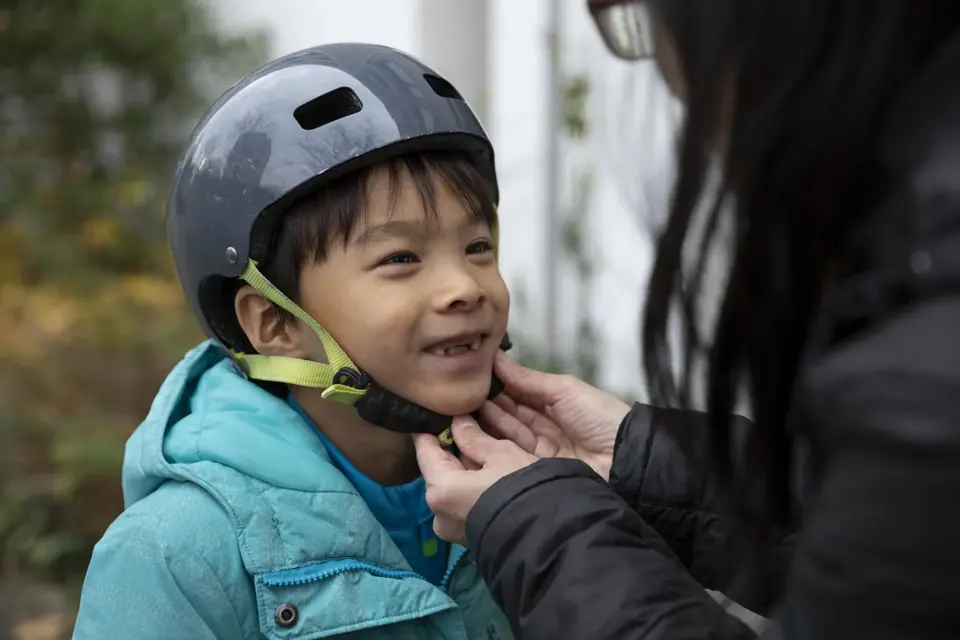
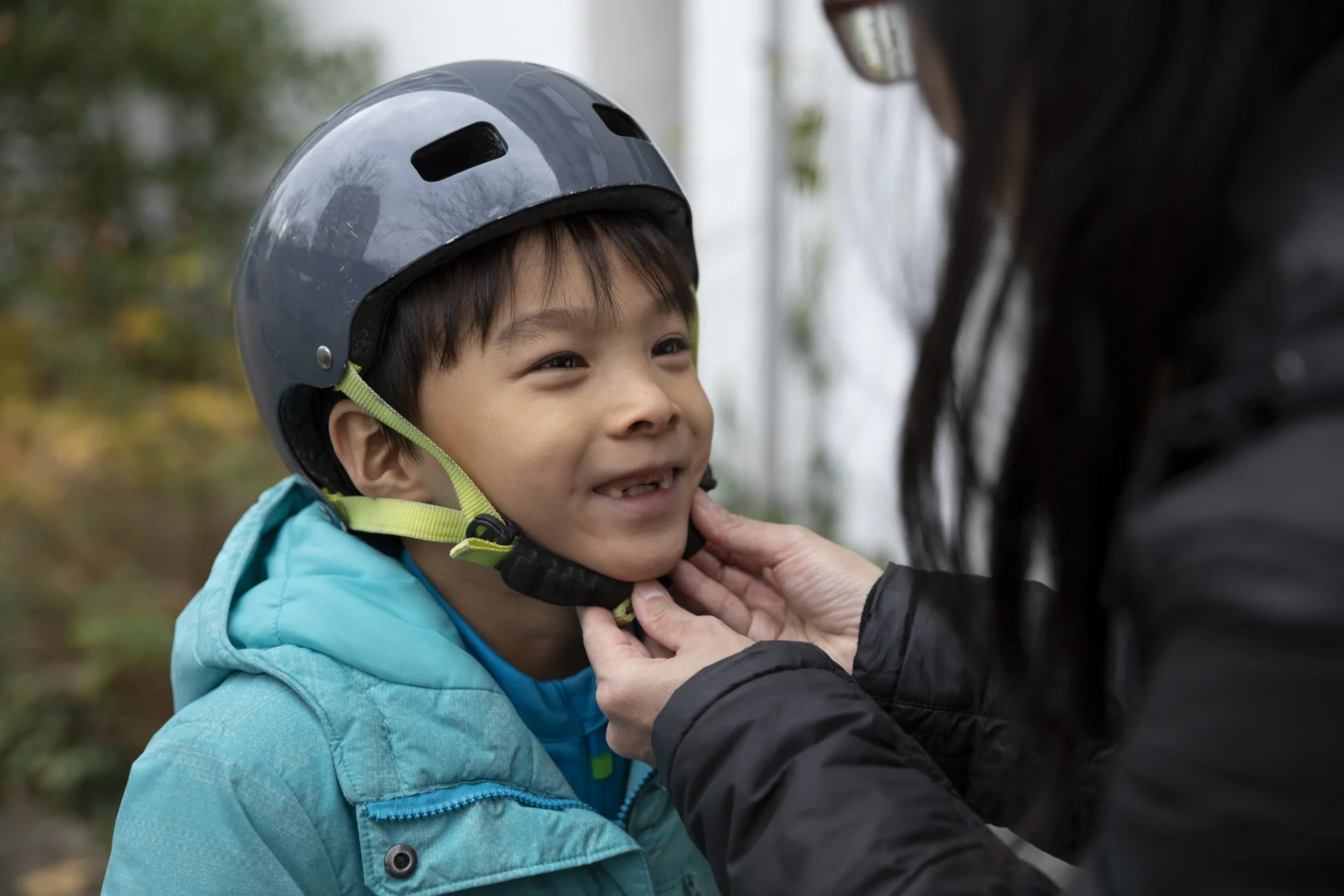
Make Sure Your Helmet Fits
A helmet provides the best protection when it fits properly. Make sure your helmet:
- Sits level on your head and is not tilted back
- Fits snugly without shifting
- Has straps secured comfortably under your chin
Who This Information Is For
Bicycle and helmet safety is important for children, teens, families, commuters and
older adults.
Learn More
Choking Education
Choking can happen quickly and without warning when food or another object blocks
the airway. Knowing how to recognize choking and respond quickly can help save
a
life. Washington Health offers education on choking recognition, response and
prevention.
Programs and Education
Choking Recognition & Response
This 15–30 minute session teaches participants how to recognize choking and respond
appropriately, including how to perform abdominal thrusts.
Participants will learn how to:
- Recognize the signs of choking
- Know when to encourage coughing and when to take action
- Use proper hand placement and technique for abdominal thrusts
- Respond if choking occurs when alone
- Identify common choking hazards
- Practice safe eating and food preparation habits
The session may include demonstrations and guided practice.
Choking Prevention Tips
- Cut food into small pieces
- Chew thoroughly and eat slowly
- Avoid talking or laughing while eating
- Sit upright while eating
- Supervise children during meals
- Use caution with foods that may pose a choking risk
- Ensure proper denture fit or swallowing ability in older adults
Who Can Participate?
Choking education is available for older adults, parents and caregivers, schools,
childcare providers, senior living communities, community organizations and the
general public.
Learn More



 Ride Smart, Ride Safe
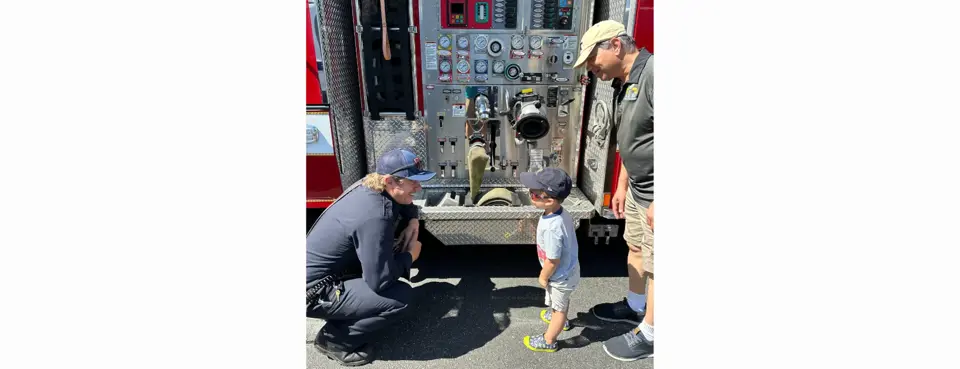 Join Washington Health on the “Road ...
 An Ounce of Prevention
 Two Years of Trauma Care Close to H ...
 Could You Help Someone Bleeding ...
 Local Trauma Center Saves Lives
 Afraid You Might Fall?
 Fremont Family Forever Grateful for ...
 Washington Health Trauma Center ...
.2502271336550.png) Trauma Medical Director to Present ...
Trauma Medical Director to Present ...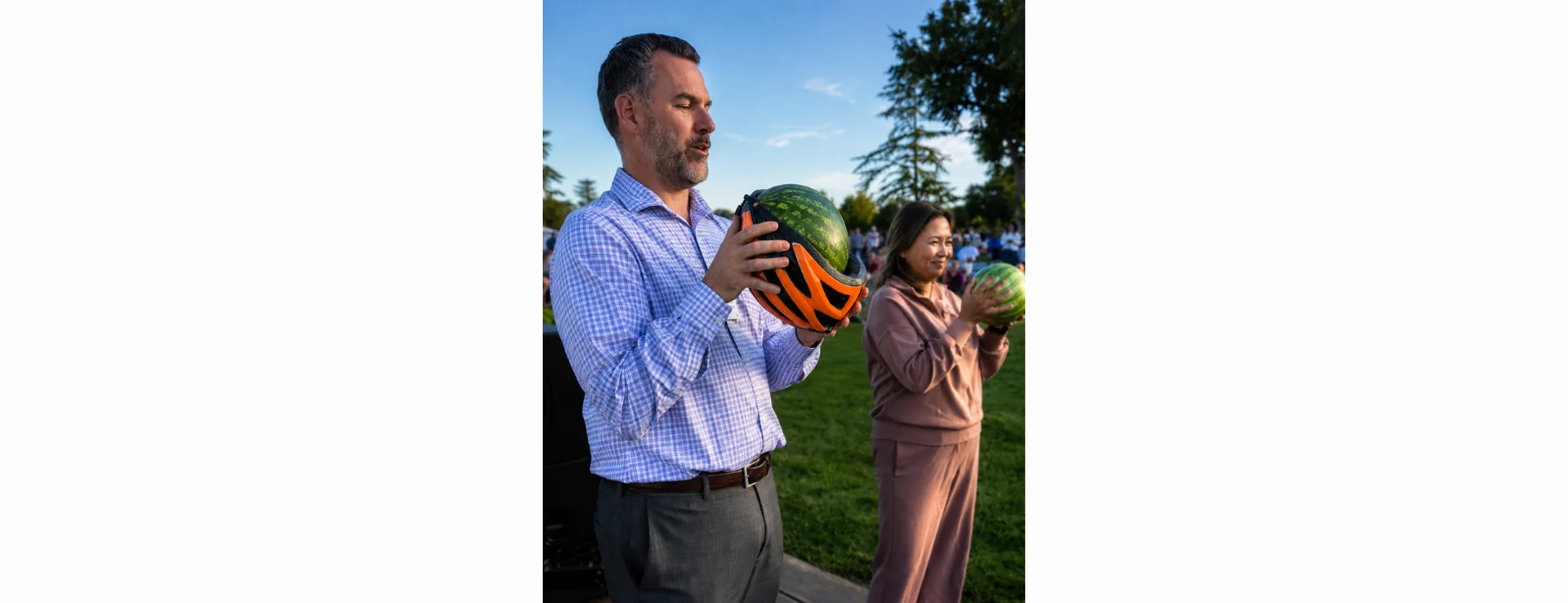




.2502271336550.png)


