

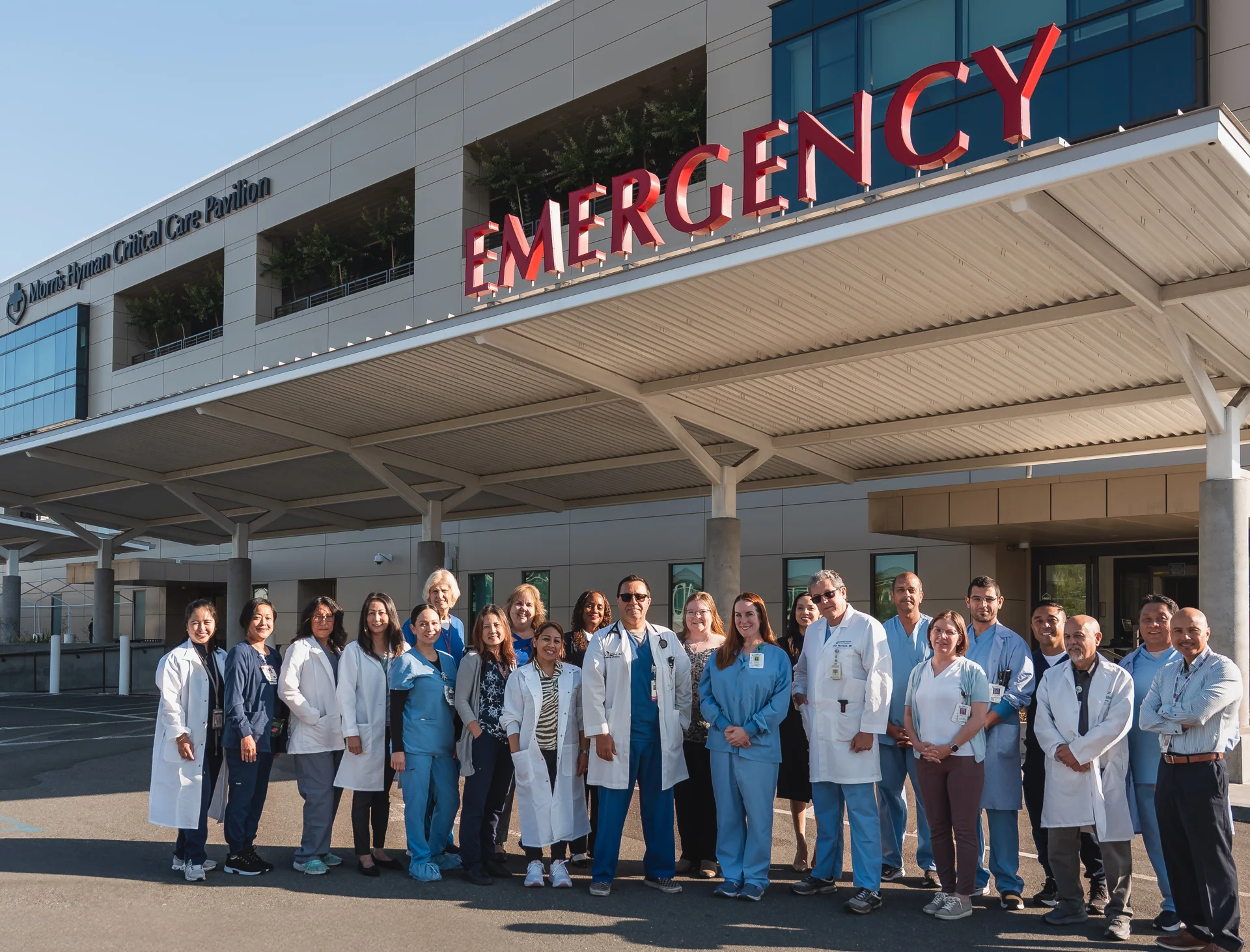
For Washington Health, trauma care isn’t just about responding to the worst day of someone’s life. It’s about building a highly reliable, always-ready system that wraps the community in a quiet, constant layer of protection.
Through community support, that promise has guided WH’s American College of Surgeons-verified level II trauma center since it opened on July 1, 2024. In its first year, the trauma team was activated 1,868 times; rising to 2,200 activations in the second year. The team cared for more than 5,000 patients in that time who otherwise would have needed to travel farther from home for specialized treatment.
As the only level II trauma center in Southern Alameda County, Washington Health has become a critical resource for the Tri-City Area, providing lifesaving care around the clock while expanding access to advanced trauma services close to home. Nearly 5,000 incidents have been reported over the past two years, with half (2,506) from Fremont and the rest from the remaining Tri-City Area (Union City, 798; Newark, 484; and Hayward, 321). Additional communities served include Pleasanton, Sunol, Livermore, San Leandro, Castro Valley, Dublin and surrounding areas.
For trauma leaders, however, the center represents far more than a designation. It reflects a commitment to being ready when local residents need it most.
That commitment extends beyond emergency response. It can be seen in the hospital’s culture, community partnerships, prevention programs, and long-term support for patients recovering from serious injuries. Together, those efforts have created what Trauma Medical Director Chet Morrison, MD, FACS, FCCM, calls a true “tapestry of trauma.”
A Tapestry of Trauma Care
Inside the hospital, trauma care depends on far more than trauma surgeons and emergency physicians.
The response often begins with a radio report from EMS personnel describing injuries, patient condition, and scene details. That information allows teams to mobilize specialists, prepare equipment, and anticipate needs before the patient ever reaches the Emergency Department.
From there, an extensive network of professionals moves into action. Emergency and ICU nurses, anesthesiologists, respiratory therapists, laboratory professionals, blood bank staff, radiology technologists, rehabilitation specialists, pharmacists, environmental services personnel, security officers, and volunteers all play critical roles in the response.
Each contributes a vital thread to a larger system designed to function seamlessly when seconds matter most.
“Two years after opening our level II trauma center, it has evolved into a true regional resource, weaving together EMS, nurses, physicians, blood bank, rehab, and community partners into a ‘tapestry of trauma’ designed to prevent injuries when possible and deliver expert, highly coordinated care when the unthinkable happens,” Dr. Morrison said. “We’re part of this community’s family, and they’re part of ours, whether we’re preventing injuries out in the neighborhood or caring for someone on the worst day of their life.”
Readiness Every Hour of Every Day
At its core, trauma care is about readiness.
“Maintaining a level II trauma center requires specialists to be available around the clock, operating rooms prepared for emergencies, and blood products ready for immediate use,” explained Trauma Program Director Jennifer Kubisz, BSN, RN. “It also requires a disciplined commitment to evidence-based care and continuous improvement.”
Washington Health’s Magnet-recognized nursing culture plays a key role in that effort. Nurses are encouraged to identify opportunities for improvement, raise concerns, and participate in councils focused on patient outcomes and operational excellence. Every trauma case is reviewed as an opportunity to learn, refine processes, and improve future performance.
That commitment to continuous improvement helps the organization function as a highly reliable system — one capable of delivering consistent, high-quality care even in the most complex and unpredictable situations.
Trauma Care Begins Before Injury Happens
One of the trauma center’s most important lessons over the past two years is that trauma care starts long before an ambulance arrives. Injury Prevention Coordinator Garrett Cordes noted falls are the number one cause of trauma injury by a large number, followed by motor vehicle collisions as second most common, and accidents on e-bikes, e-skateboards, scooters and motorcycles in third place.
As a result of these numbers, Cordes said prevention has become a central pillar of the program’s mission. Using local injury data, the team identifies trends affecting the community and develops targeted outreach efforts.
Current priorities include reducing injuries related to bicycles, scooters, e-bikes, motor vehicle crashes, and falls among older adults. Through school programs, community events, helmet giveaways, and educational campaigns, the trauma team works to help residents reduce risk and stay safe.
The team also teaches bleeding-control techniques and other lifesaving skills that empower community members to help during emergencies. Cordes said the philosophy is straightforward – the best trauma patient is the one who never becomes a trauma patient.
Beyond Survival
The trauma team’s work does not end when a patient leaves the hospital. Recovery from serious injury can take months or even years, and many patients face challenges that extend beyond physical healing. Recognizing that reality, Washington Health has developed pathways focused on helping patients regain quality of life after trauma.
Among those efforts is screening for patients who may be at risk for depression or post-traumatic stress disorder following serious injuries. Social workers connect patients with mental health resources and help them recognize symptoms that may emerge during recovery.
Washington Health is also working toward participation in the Trauma Survivors Network, which provides support groups and peer connections for individuals adjusting to life after traumatic injury.
These programs reflect a broader understanding that trauma care is a continuum. Success is measured not only by survival, but also by how well patients recover, reconnect with their families, and return to meaningful lives within their communities.
Looking Ahead
As Washington Health enters its third year as a level II trauma center, leaders remain focused on continuous improvement, expanding community partnerships, and strengthening services for future generations.
Yet the program’s ultimate measure of success remains rooted in the community it serves. “For most Tri-City residents, the trauma center operates quietly in the background,” Kubisz said. “They may see us at a safety fair, a community event, or an educational program and never think about the sophisticated system standing behind those interactions. But if an ordinary day suddenly becomes a life-changing emergency, we’re ready.”
For two years, Washington Health’s Trauma Center has delivered on its promise to the community to keep advanced trauma care close to home. More than 5,000 patients later, it continues to provide something every community hopes it never needs but is grateful to have when it does: expert care, close by, when every minute counts.
For more information about Washington Health’s Trauma Center, visit www.washingtonhealth.com/services/trauma-center/.