


Navigating the Road to Cancer Recovery
Author: Monette Domingo, RN
Specialty: Nurse Navigator
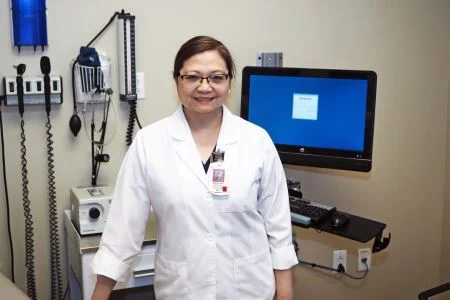
A cancer diagnosis is overwhelming. From accepting the initial news to navigating treatment options and adapting to treatment plans, cancer patients have to make drastic adjustments to their lives. All of these changes, understandably, result in high levels of fear, anxiety, and stress.
Alleviating that stress and helping cancer patients feel less overwhelmed throughout their treatment and recovery is one of the most rewarding aspects of my role as a nurse navigator.
What is a Nurse Navigator?
At Washington Health, nurse navigators are clinical nurses with specialized training in oncology and in navigating all aspects of a patient’s cancer care. All at once, we act as an advocate for personalized patient care, a liaison between the patient and the medical team who treat them, and as a coordinator for the logistical or “behind-the-scenes” aspects of each of our patient’s care. Nurse navigators are educators. In order to empower patients to participate in their treatment plan, it’s important that they understand the expected side effects.
We are passionate about optimizing our patients’ experience by ensuring that they have the resources, information, and compassionate support they need at every stage of their treatment and well into their recovery and survivorship.
Here are just a few of the ways nurse navigators help patients.

Coordinating Care
We are one of the first care professionals that our patients speak to once they receive their diagnosis, and we are a constant resource for them from that point on. Nurse navigators assist patients with scheduling treatments and help them monitor their continued progress. As their care liaisons, we coordinate their care while helping them manage communications from the Hospital and from their providers.
Our goal is to mitigate or eliminate any and all potential barriers for our patients so that they can remain focused on their recovery. Potential obstacles for treatment are assessed during the initial appointments, and regular stress assessments are conducted to ensure that our patients are having their needs met at every stage. Sometimes additional needs may surface through our conversations during treatment appointments. Patients may need referrals to other service providers throughout the Healthcare System, such as dietitians, social workers, or care providers in the lymphedema center.
While patient stress levels are understandably high when they start treatment, their stress scores almost always decrease after that initial appointment and as they continue to work with us.


Care Rooted in Your Community
Built on 75 years of service and commitment
-
We Listen, Then ActWe assess community needs, then build new services to fill those gaps.
-
Putting Words Into ActionWe serve alongside neighbors through local boards, organizations, and civic groups.
-
Care from Your NeighborsOur staff is made up of your neighbors, reflecting the community we all serve.

From primary care to specialized treatment, we're here for you.