


Lung Cancer
Lung cancer happens when abnormal cells in the lungs grow out of control. It is one of the most common cancers in the United States and the leading cause of cancer-related deaths worldwide.
Lung cancer can affect anyone, including people who have never smoked. Finding lung cancer early, when possible, can make a difference in treatment options and outcomes.
What increases my risk?
Smoking is the leading risk factor for lung cancer, but it is not the only one. Your risk may also be higher if you:
- Smoke or are regularly exposed to secondhand smoke
- Have been exposed to radon, a naturally occurring radioactive gas
- Have been exposed to asbestos or other cancer-causing substances at work, including arsenic, uranium, or coal
- Have been exposed to significant air pollution
- Have a personal or family history of lung cancer
- Have had certain other lung conditions or previous radiation treatment
Having one or more risk factors does not mean you will develop lung cancer. Some people develop lung cancer with few or no known risk factors.
What are the symptoms?
Lung cancer may not cause symptoms early on. When symptoms do occur, they may include:
- A cough that does not go away or gets worse
- Coughing up blood or rust-colored mucus
- Shortness of breath or new wheezing
- Chest pain that gets worse with deep breathing, coughing, or laughing
- Hoarseness
- Frequent or recurring bronchitis or pneumonia
- Unexplained weight loss or loss of appetite
- Feeling unusually tired or weak
These symptoms can have many causes besides lung cancer. If you have concerning symptoms, talk with your healthcare provider.
How is lung cancer treated?
If you are diagnosed with lung cancer, your care team will recommend treatment based on the type and stage of your cancer, as well as your overall health and individual needs.
Treatment may include one or more of the following:
- Surgery to remove the cancer
- Radiation therapy
- Chemotherapy
- Immunotherapy, which helps your immune system recognize and fight cancer
- Targeted therapy, which uses medicines designed to target specific features of cancer cells
Your care team will explain your diagnosis and treatment options and help you understand what to expect at each step.

What can I do to lower my risk?
Not all lung cancers can be prevented, but you can take steps to lower your risk:
- Don't smoke, and avoid secondhand smoke.
- If you smoke, talk with your healthcare provider about resources to help you quit.
- Test your home for radon and take steps to reduce high levels.
- Follow workplace safety recommendations when working around asbestos or other cancer-causing substances.
- Limit exposure to air pollution, diesel exhaust, and other harmful substances when possible.
- Eat a healthy diet with plenty of fruits and vegetables.
- Stay physically active. Regular physical activity is associated with a lower risk of several cancers, including lung cancer.
Concerned about your lung health? Talk with your healthcare provider about your symptoms and risk factors.
Should I be screened?
Lung cancer screening can help find lung cancer early, before symptoms develop. If you have a history of smoking or other risk factors, you may be eligible for screening.
Related Articles
-
 Cough Leads to Life-Changing ...
- Cancer
- Lung Care
When 65-year-old Marge T. developed a wheezing cough, she assumed it was something minor like a ...
Read More -
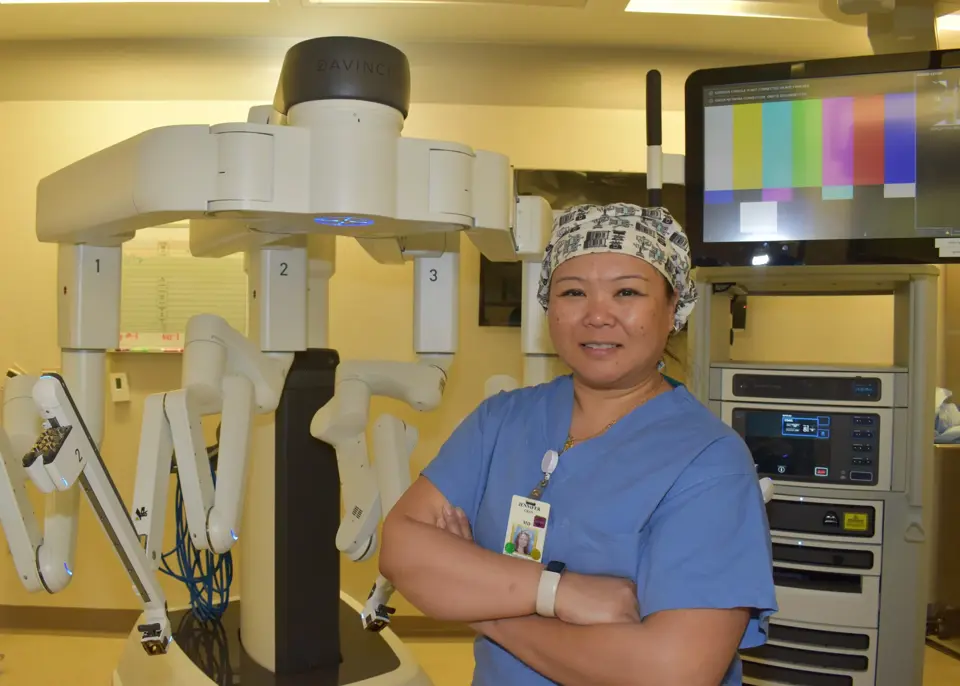 Revolutionary Robotic Lung Cancer ...
- Lung Care
Lung cancer is the leading cause of cancer deaths in the United States, claiming more lives each ...
Read More



Care Rooted in Your Community
Built on 75 years of service and commitment
-
We Listen, Then ActWe assess community needs, then build new services to fill those gaps.
-
Putting Words Into ActionWe serve alongside neighbors through local boards, organizations, and civic groups.
-
Care from Your NeighborsOur staff is made up of your neighbors, reflecting the community we all serve.

From primary care to specialized treatment, we're here for you.