


Clinical Research Basics
Clinical trials are research studies performed that aim to evaluate a medical, surgical, or behavioral intervention. They help researchers evaluate a new drug or medical device to determine if it is:
- Safe
- Effective
- Better than the standard or current treatment
Clinical trials also test methods of early detection of diseases, prevention of health conditions, and may also look at ways to improve the quality of life for people living with a life-threatening disease or a chronic health condition. Clinical trials may also study the role of caregivers or support groups.
There are two main types of clinical research studies:
- Observational studies observe people in normal settings. Patients are treated based on normal clinical decisions if needed. Participants are monitored over a period of time and the study team collects and reviews the data gathered. For example, for a set period of time, researchers may collect data of older adults through medical exams, tests, or questionnaires to learn more about the effects of different lifestyles on cognitive health.
- Interventional clinical trials take action to prevent, better understand, or treat a disease. Researchers test the safety and effectiveness of a new drug or other treatment. Interventional clinical trials follow strict rules to protect patients.

How do Clinical Trials Work?
The idea for a clinical trial often starts in the laboratory. After researchers test new treatments or procedures in the lab, the most promising treatments are moved into clinical trials. As new treatments move through a series of steps called phases, more information is gained about the treatment, its risks, and its effectiveness.
Clinical trials are done in four phases to test a treatment or, in the case of a new drug, find the appropriate dosage, and look for side effects. The FDA typically requires Phase I, II, and III trials to be conducted to determine if the drug can be approved for clinical use and continue to monitor its effects.
Our Locations
-
UCSF-Washington Health Cancer Center 39101 Civic Center Dr
Fremont, CA 94538 Map & Directions
Related Articles
-
 Cough Leads to Life-Changing ...
- Cancer
When 65-year-old Marge T. developed a wheezing cough, she assumed it was something minor like a ...
Read More -
 Colon Cancer: Preventable, ...
- Cancer
- Cancer Programs
Last month the American Cancer Society announced that colorectal cancer is now the leading cause of ...
Read More -
Colon Cancer: Preventable, ...
- Cancer
- Cancer Programs
Last month the American Cancer Society announced that colorectal cancer is now the leading cause of ...
Read More -
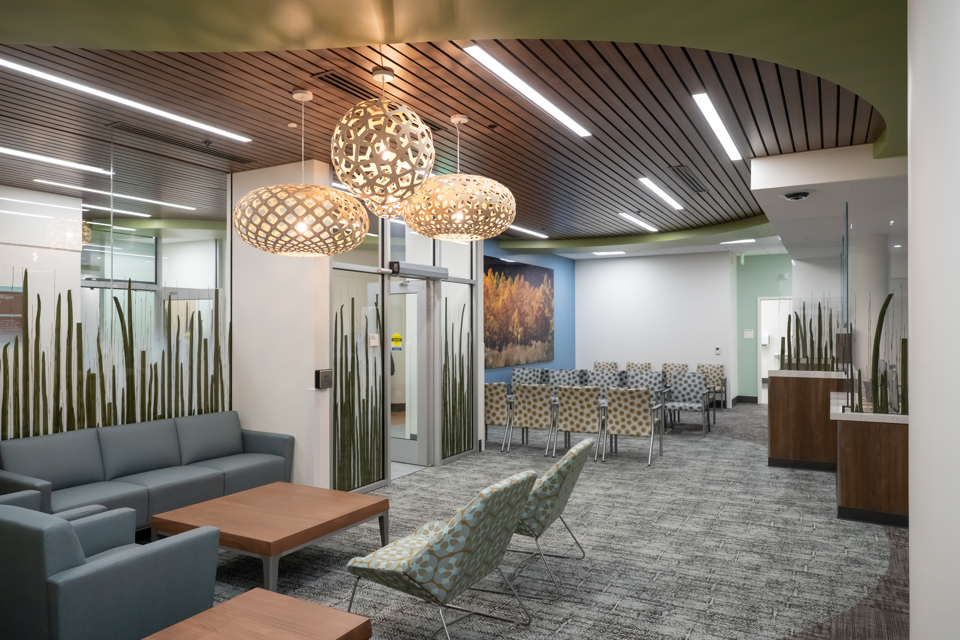 UCSF–Washington Cancer Center ...
- Cancer
- Cancer Programs
Continuing a Commitment to Excellence, Healing, and Innovative Care, Close to Home FREMONT, CA – ...
Read More -
UCSF–Washington Cancer Center ...
- Cancer
- Cancer Programs
Continuing a Commitment to Excellence, Healing, and Innovative Care, Close to Home FREMONT, CA – ...
Read More -
.png.2601051701196.webp) Washington Health Earns National ...
Washington Health Earns National ...- Cancer
FREMONT, Calif., Dec. 18, 2025 – Washington Health recently received reaccreditation from the ...
Read More -
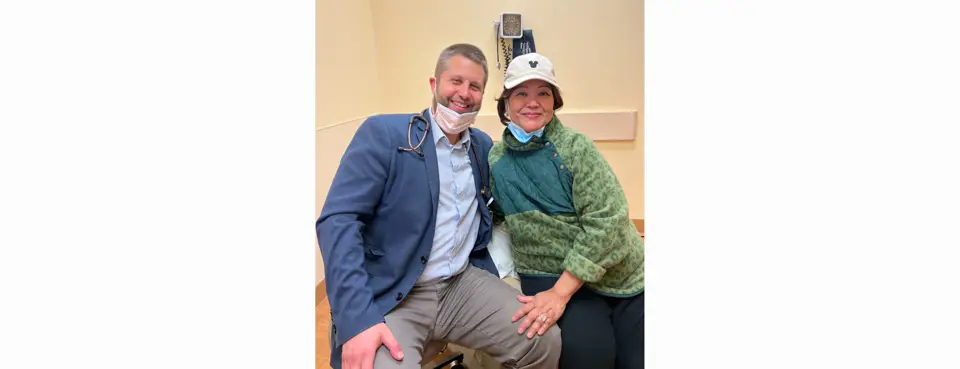 Inspirational Breast Cancer ...
- Cancer
- Women's Center
Life was going well for Maria Dandan who had recently retired and moved from Hayward to a new ...
Read More -
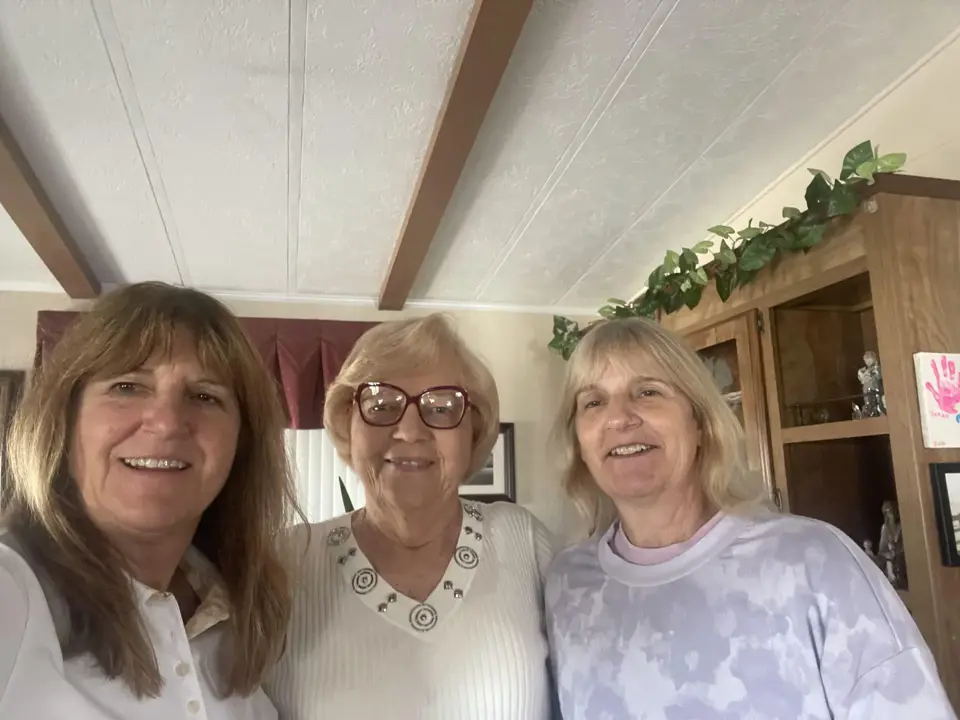 Health Care Heroes Lead Patient on ...
- Cancer
- Women's Center
Fremont resident Barbara Gorsuch felt a lump in her breast in January, but thought it couldn’t ...
Read More -
 How the New 3D Mammography Impacts ...
- Cancer
- Women's Center
An advancement in breast mammography makes it easier to diagnose cancer, minimize false positives, ...
Read More -
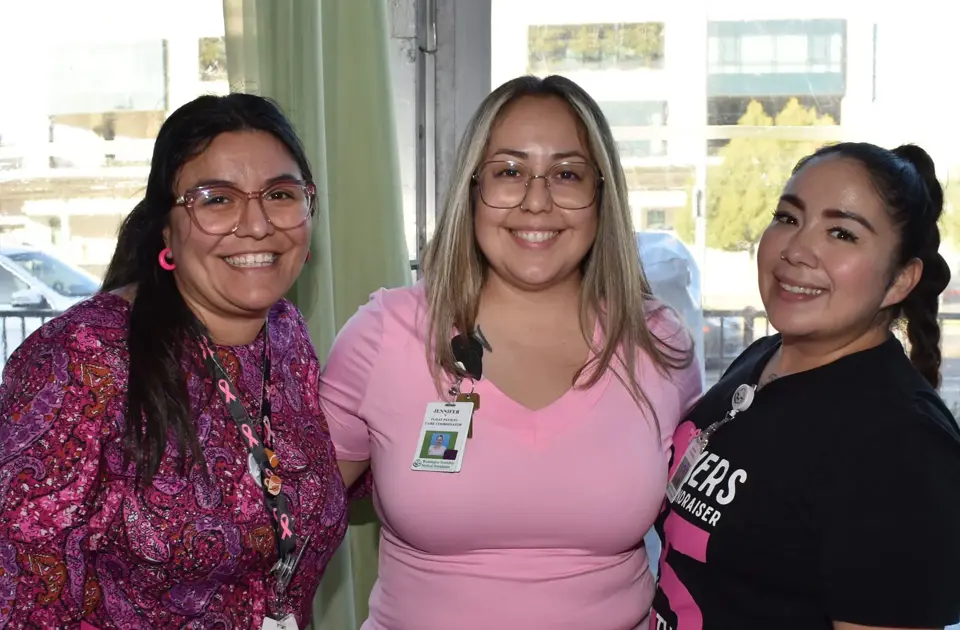 Washington Health’s Think Pink ...
- Cancer
- Women's Center
This is the 17 th year that Washington Health has sponsored its Think Pink community event to ...
Read More

.png.2601051701196.webp)




Care Rooted in Your Community
Built on 75 years of service and commitment
-
We Listen, Then ActWe assess community needs, then build new services to fill those gaps.
-
Putting Words Into ActionWe serve alongside neighbors through local boards, organizations, and civic groups.
-
Care from Your NeighborsOur staff is made up of your neighbors, reflecting the community we all serve.

From primary care to specialized treatment, we're here for you.