


Tilt Table Study
Diagnosis for the Cause of Fainting Spells
If you have been the victim of frequent, unexplained fainting spells, your doctor may recommend a tilt table test. This test monitors blood pressure and heart rate and how your cardiovascular system responds to changes in position. It is primarily used to diagnose syncope, which is a disorder where an individual faints due to low blood pressure reducing the blood flow to the brain. Syncope can be very dangerous as the fainting spells are not often preempted with warning signs like sweating or nausea, giving the victim little time to prepare for a safe fall.
Preparing for the Test
There is not much you need to do to prepare for a tilt table test. Continue to take medications as prescribed unless instructed otherwise. The night before your test, stop eating and drinking after midnight. Be sure to have someone ready to drive you to and from the doctor’s office, as you may feel lightheaded afterwards.
How it Works
In the tilt test, patients lie face up on a table and are gently strapped into place. After 15 minutes of lying flat, the table is moved upwards to simulate the sensation of standing up after lying down. This upright position is held for roughly 45 minutes while doctors monitor the cardiovascular system.
During the test, you will be connected to four devices:
- Pacemaker
- Electrocardiogram
- Oximeter monitor
- Blood pressure monitor
Some patients faint during the test, which is a clear indicator they have syncope. Otherwise, the doctors review the results of the cardiovascular response and may diagnose the precise cause of the fainting spells.
The tilt table test is available in Fremont at Washington Health Medical Group where they are performed by highly experienced cardiologists. If you have frequent fainting spells, it is important to seek help as soon as possible to prevent a serious injury.
Our Locations
-
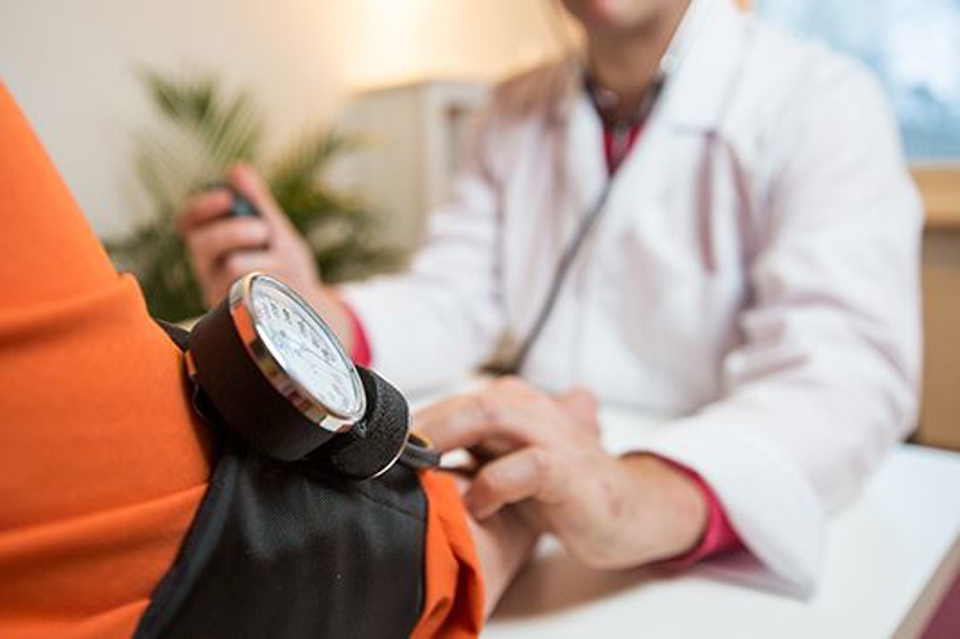 This Is the Most Common Time of Day ...
- Cardiology
Plus, the best ways to lower your risk. In movies and TV shows, heart attacks are very dramatic. ...
Read More -
.2602100925550.png) Retired Nurse Airlifted to ...
Retired Nurse Airlifted to ...- Cardiology
At 10 p.m. New Year’s Day 2025, Petaluma-resident Judy Hillery suddenly felt her jaw clench shut and ...
Read More -
 The Heart of the Matter: Women’s ...
- Cardiology
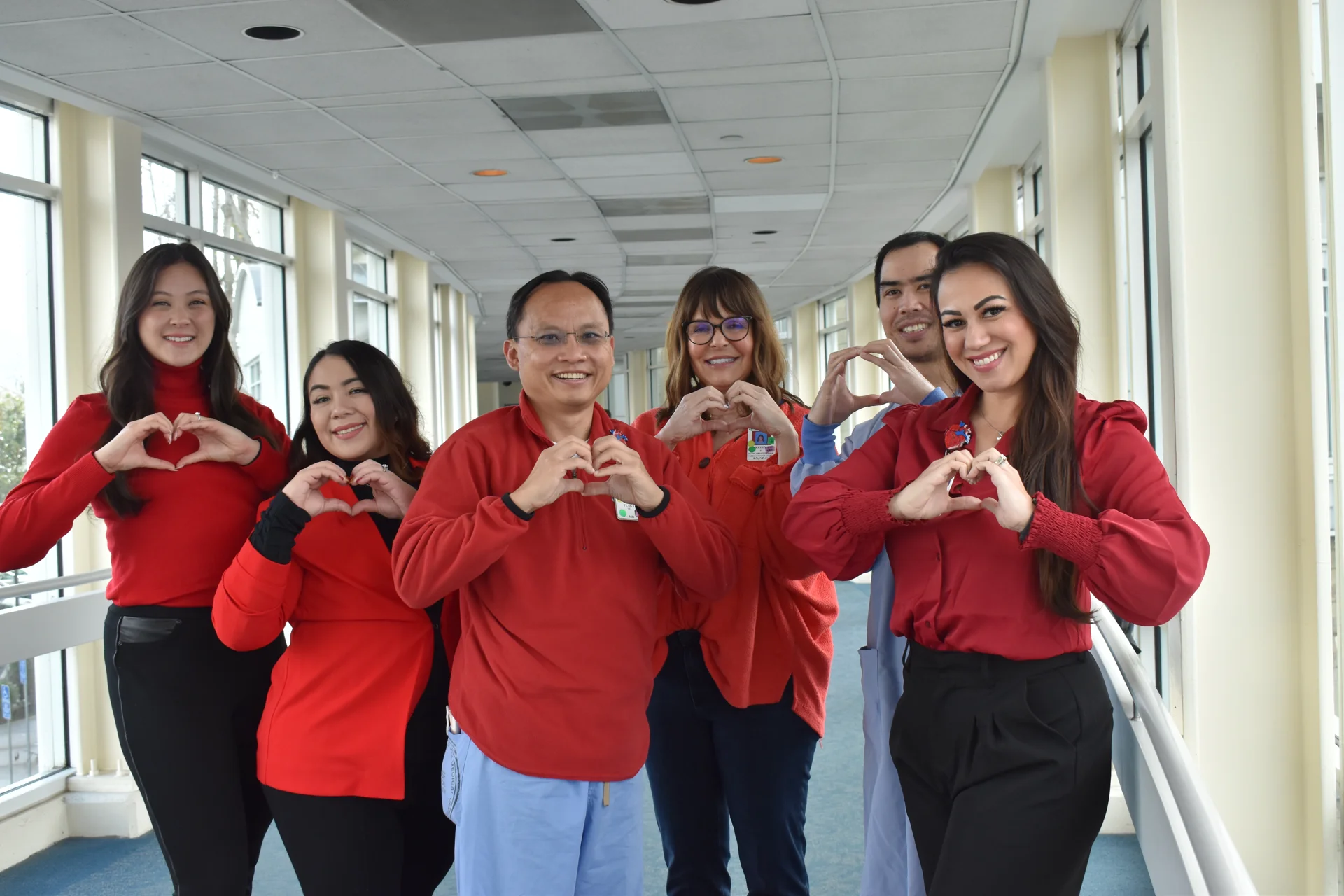
If you see a lot of women wearing red on Friday, it’s not a Valentine’s Day warmup. Feb. 6 is Go Red ...
Read More -
 TAVR: The Modern Option For Heart ...
- Cardiology
You’ve been diagnosed with a serious heart problem. One of the four valves that keep the blood ...
Read More -
 The Heart of a Woman
- Cardiology
For Washington Health Medical Group (WHMG) cardiologist Sangeetha Balakrishnan, MD, fitness and ...
Read More -
 Are South Asians at Higher Risk of ...
- Cardiology
Ongoing research shows people from South Asia are more prone to developing diabetes, high ...
Read More -
 Washington Health Nationally ...
- Cardiology
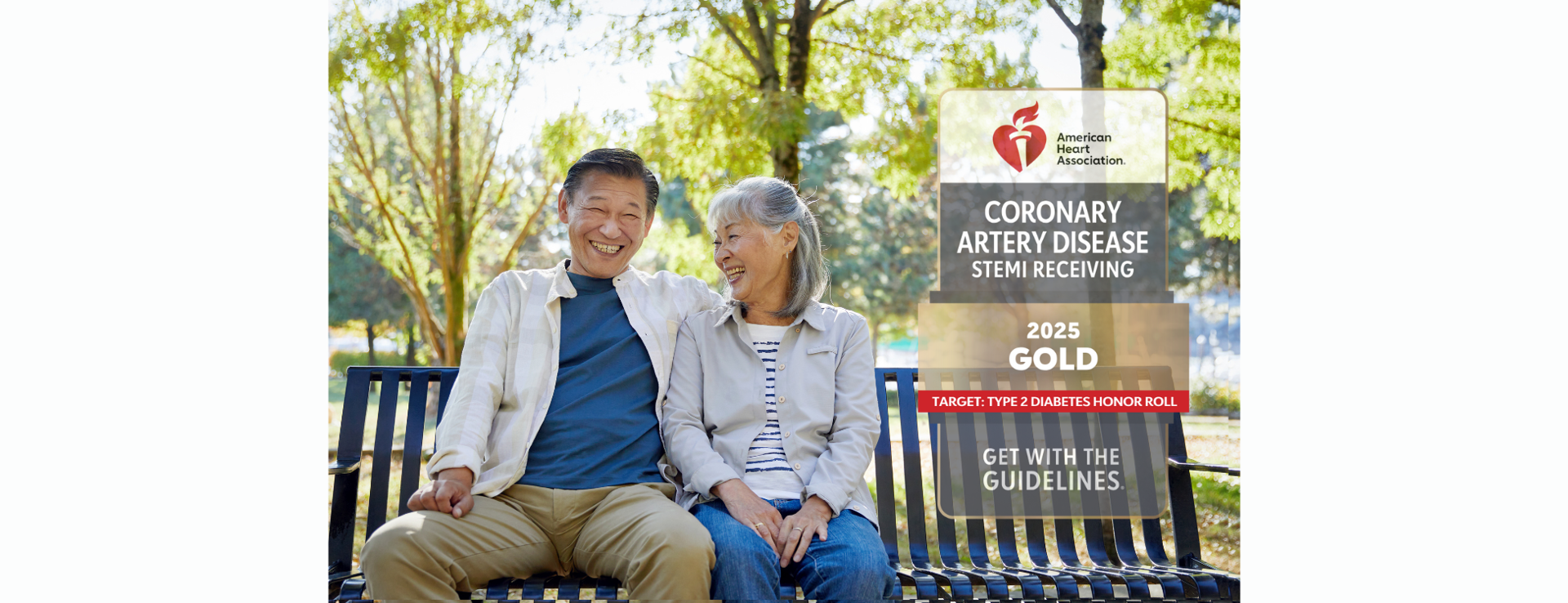
The American Heart Association presents the Get With The Guidelines® - Coronary Artery Disease STEMI ...
Read More -
 Understanding Peripheral Artery Dis ...
- Heart & Vascular Services
People often dismiss discomfort in their legs and walking difficulties, chalking it up to arthritis, ...
Read More -
 Hayward Man Breathes Easier After ...
- Cardiology
Hayward resident George Hansen has experienced his share of health scares with an abdominal aortic ...
Read More -
 Heart Device Can Replace Blood ...
- Cardiology
People with atrial fibrillation (AFib), or an irregular heartbeat, have traditionally relied on ...
Read More
.2602100925550.png)








Care Rooted in Your Community
Built on 75 years of service and commitment
-
We Listen, Then ActWe assess community needs, then build new services to fill those gaps.
-
Putting Words Into ActionWe serve alongside neighbors through local boards, organizations, and civic groups.
-
Care from Your NeighborsOur staff is made up of your neighbors, reflecting the community we all serve.

From primary care to specialized treatment, we're here for you.