

Many people who previously struggled to lose weight are finding success with GLP-1 medications like Ozempic, Wegovy, Zepbound, and others.
The glucagon-like peptide-1, the full name for the GLP-1 category of medication, is a hormone naturally produced in the gut that regulates appetite, slows digestion, and manages blood sugar. Initially prescribed to treat type 2 diabetes, the U.S. Food and Drug Administration approved GLP-1s in 2021 for weight management.
“GLP-1s are a major topic of conversation right now,” said Thomas Collins-Pallett, MD, of Family Medicine – Mowry Family Practice at Washington Health. “Nutrition is such a big part of care today, and patients are asking how to lose weight to better manage their health.”
Dr. Collins-Pallett’s first goal is always to help patients manage their weight through diet and exercise, but he said that the GLP-1 medications are a good tool to have when needed.
“Any time I’m having a discussion with a patient about weight, it starts with long-term management and establishing good habits; not a quick fix like a magic bullet,” said Dr. Collins-Pallett, who is certified by the American Board of Family Medicine. “Much of the time, the discussion is goal directed. Patients ask how they can drop weight to better manage diabetes, high cholesterol, or other problems that they want to try and fix.”
Diet and Exercise is Step 1
Eating a well-balanced diet, avoiding fast food, and getting some type of exercise that you enjoy is the best plan, but that doesn’t work for everyone.
People working night shifts, eating on the go, sleeping poorly, and other situations often make it easy to gain weight. One person may eat 1,800 calories a day and be fine, while another may be overweight, he explained.
“In some of the factors of weight management, like good sleep, we’re linking things that we know are associated but not completely understood at this time,” he added. “For example, people who work night shifts have more weight struggles. If a person isn’t sleeping well and is tired all day, their body will conserve calories. In addition, if you’re tired all the time, you won’t go to the gym or exercise.”
Hunger is another factor that isn’t well understood. According to Dr. Collins-Pallett, “Doctors don’t understand why some people have trouble with hunger and why shutting out food noise is more difficult. But some people find it harder than others to stop snacking. It all plays a role in weight gain.”
The Centers for Disease Control and Prevention estimates that in 2024, more than 25% of people with diabetes used a GLP-1. As many as 12% of the U.S. population has taken a GLP-1 for weight loss, according to the Journal of the American Medical Association(JAMA).
When to Take a GLP-1
Dr. Collins-Pallett prescribes GLP-1 medications when a person’s body mass index is 30 or higher. “It’s a good medication, but it can be overused,” he stressed. “The general criterion is that if a patient has tried a solid diet and exercise plan for at least six months and didn’t reach their goal weight, then we can discuss medical management with a GLP-1.”
When prescribed, he wants people to commit to taking a GLP-1 for two years. “Data shows that’s the time frame to demonstrate the best success. Taking it for six months isn’t enough time,” he explained. “It was initially thought that people needed to take a GLP-1 forever, or risk regaining weight. Data now shows that people can be weaned off after two years.”
“The weaning process is individualized. If you reach your goal weight, we can begin to wean you off,” he said.
Before trying a GLP-1, he recommends a variety of diet options first.
One of the more successful ones is intermittent fasting, where a person eats one or two meals a day and fasts for a minimum of 12 to 16 hours or more.
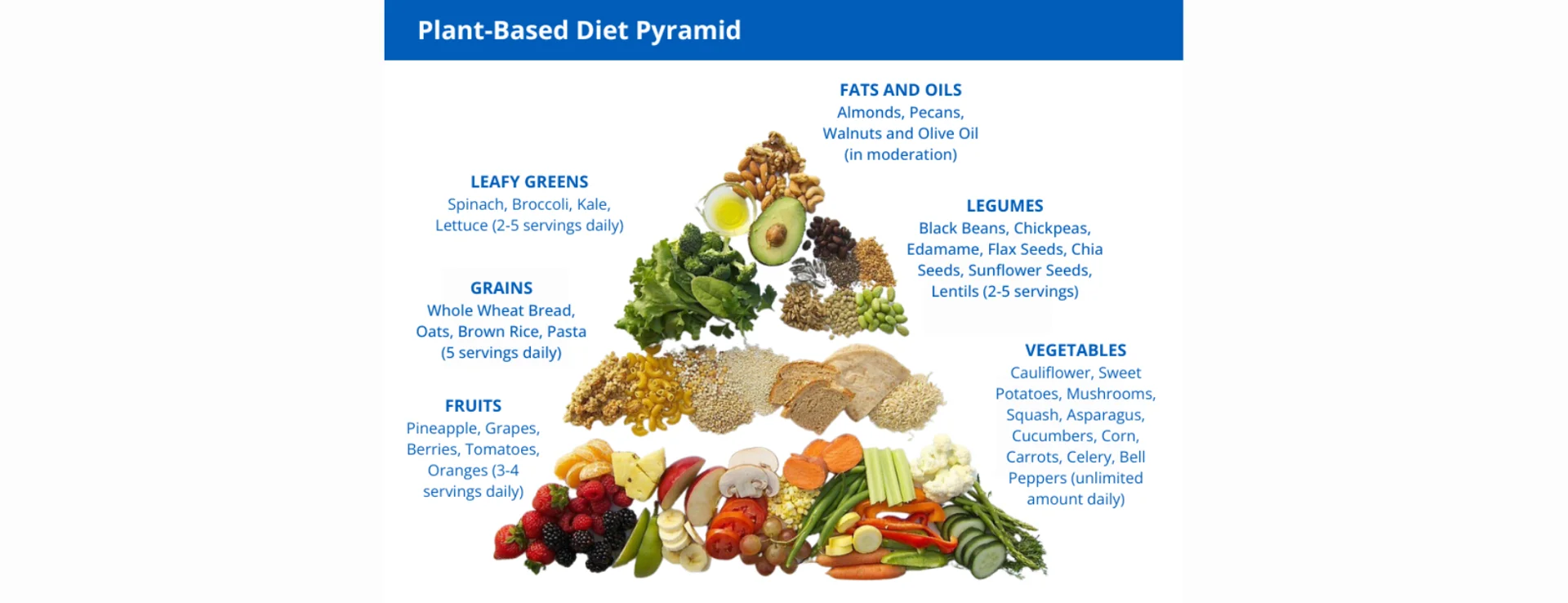
He also suggests selecting foods that keep you full longer, including high-fiber options, protein meals, and fewer carbohydrates. He also recommends avoiding high-fat and high-calorie foods, and especially highly processed meals. “The more processed it is, the more our bodies tend to hang on to it.”
Today, he said, grocery stores and food delivery services make it easier to find ready-made meals and healthier choices. “There are lots of good options. While weight management is always frustrating, it’s now something we can plan around. We also have a better understanding of weight management and have tools like GLP-1s that can help.”
For more tips on managing weight, talk to your primary care provider. For information on Dr. Collins-Pallett, visit
washingtonhealth.com/find-your-provider/thomas-collins-pallett-md/