

When the community speaks about its health concerns, Washington Health listens closely.
Every three years, the health system surveys residents about the health concerns they face, then uses their responses to build free programs that address them. The 2025 findings pointed to four priorities: health care access and delivery, healthy lifestyles, cancer, and unintended injury.
This year, Washington Health provided almost 100 community events and interacted with residents more than 20,000 times, according to Kayla Gupta, Community Outreach manager.
“The community shares with us its health needs, and we listen and take their words to heart,” says Gupta. She takes the lead on Washington Health’s role in the Community Health Needs Assessment (CHNA) collaborative, a formal review of the community’s most pressing health needs, drawn from resident surveys, focus groups, and discussions.
The 2025 assessment was conducted jointly with John Muir Health, Kaiser Permanente, Stanford Health Care Tri-Valley, St. Rose Hospital, Sutter Health, and UCSF Benioff Children’s Hospital. Working together gives the region one shared picture of its health, rather than six separate ones.
Community Health Improvement Plan
From the CHNA responses, Washington Health writes its Community Health Improvement Plan, explains Gupta, which determines what programs get built to meet those needs.
Washington Health published the last CHNA in 2025 and is planning for the 2028 assessment, which will include input from residents, along with local providers, community leaders, and partner organizations.
What the Findings Changed
After Washington Health learned that managing blood pressure was a community concern, it installed a screening kiosk at the Mark Green Sports Center in Union City. In August, the kiosk was used more than 1,100 times. High blood pressure was noted in more than half of the screenings, and people were advised what to do. “People received a follow-up email from us,” notes Gupta, “with resources on managing hypertension.”
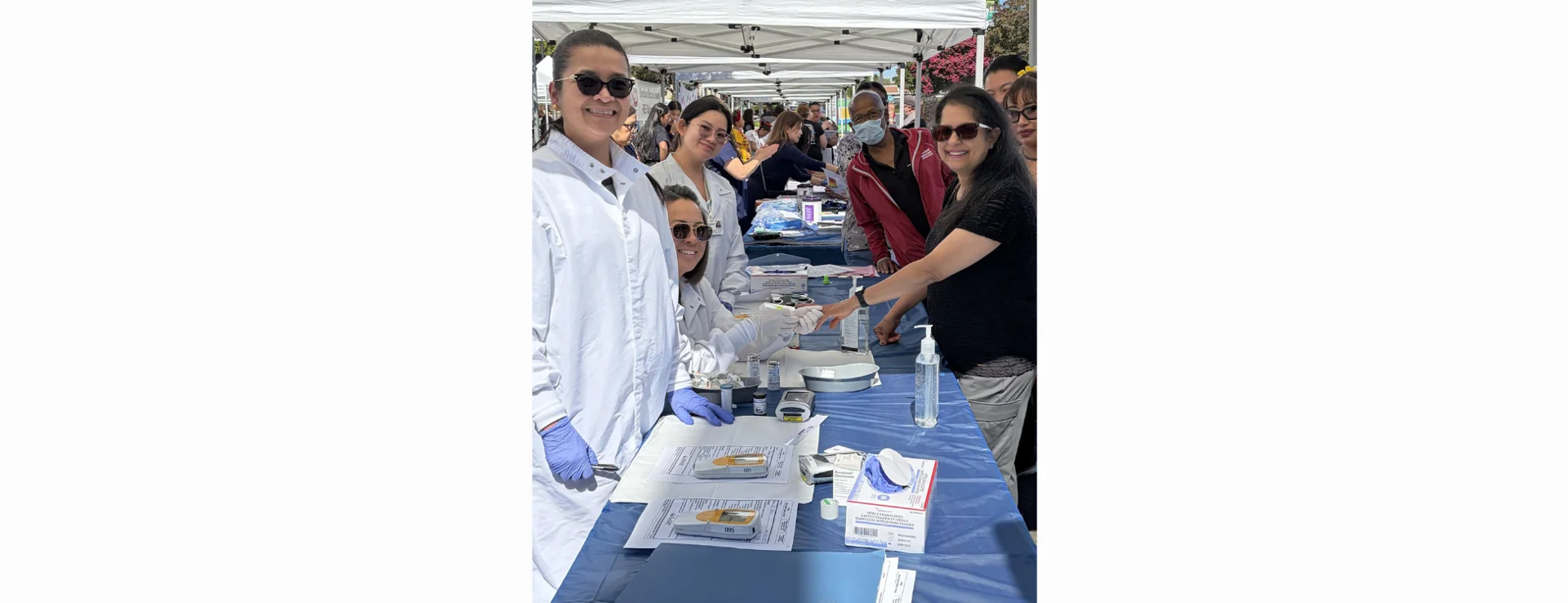
August’s Road to Wellness Health Fair, celebrating the second anniversary of the level II trauma center, drew more than 1,000 community members. Health care providers administered glucose and cholesterol screenings to more than 200 people, and 160 had their blood pressure checked. Washington Health also distributed 300 free custom-fitted bike helmets and 100 Narcan emergency opioid overdose kits (in partnership with the National Coalition Against Prescription Drug Abuse), along with information on women’s health, childhood vaccinations, wound care, and other topics.
Washington Health’s Programs Include:
Health Care Access and Delivery: A behavioral health navigator at the Emergency Department assists substance abuse and mental health patients, and connects them with resources and services.
Healthy Lifestyles: A Heart Smart Walking Challenge, in partnership with the Union City and Newark recreation departments, encourages participants to log steps. A monthly walking program gives participants a chance to accompany providers on a scheduled walk to discuss health.
Unintended Injury: Speakers Bureau presentations teach Stop the Bleed, choking response, and bike and helmet safety at schools, workplaces, and community groups. Bingocize and Matter of Balance classes pair movement with fall prevention for older adults.
The 2025 findings set Washington Health’s priorities through 2028. When the next assessment begins, residents will be asked again what they need most — and what they say will determine which programs grow, which change, and which get built from scratch.
“The kiosk, the walking groups, the helmets — none of that started with us,” Gupta says. “It started with people telling us what mattered most to them.”
Read the 2025 Community Health Needs Assessment and the 2026–28 Community Health Improvement Plan at washingtonhealth.com/CHNA. Comments are welcome at communityoutreach@washingtonhealth.com.