

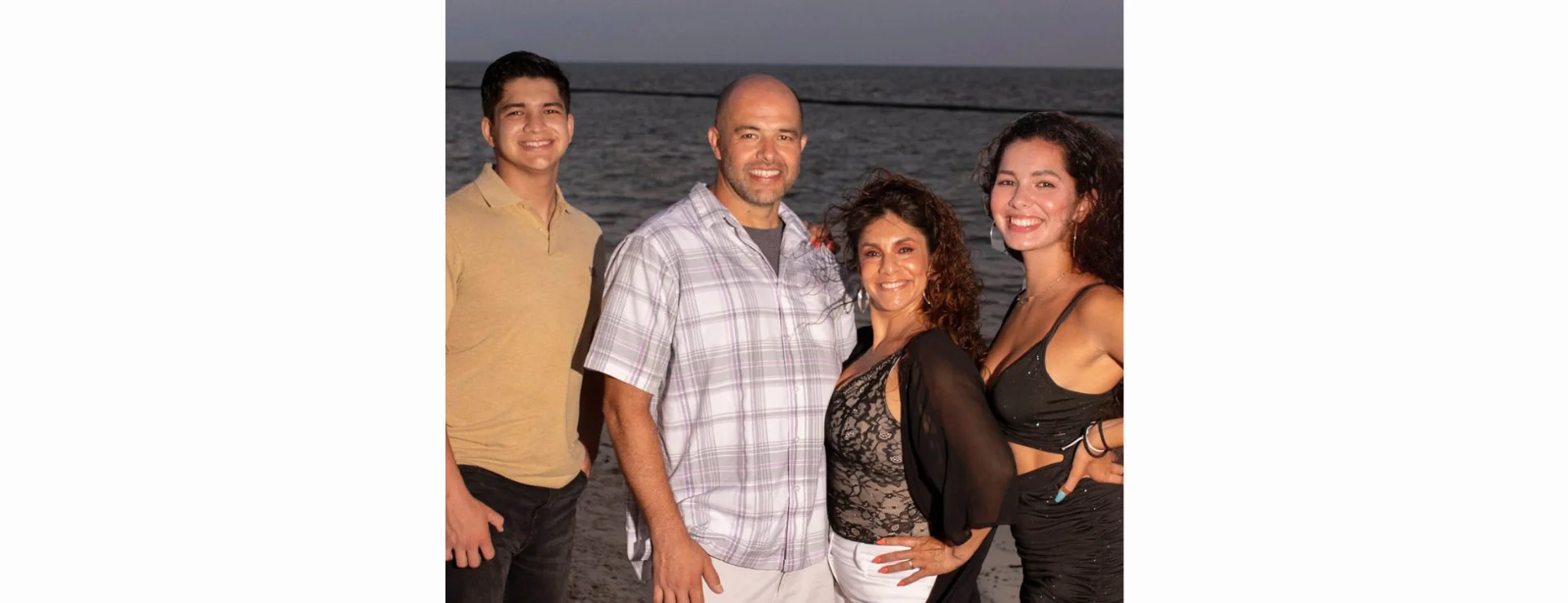
Fremont woman finds strength in family, movement and her care team after an unexpected breast cancer diagnosis
According to the American Cancer Society, about one in eight women will develop breast cancer during their lifetime. Fremont resident Cynthia Reyes-Orosco, 48, never expected to be that one.
In late March 2026, Reyes-Orosco visited her OB-GYN because she had been feeling “off” and unusually tired. She thought it might be perimenopause. During the appointment, however, her physician found a suspicious lump and quickly arranged mammograms. On April 23, Reyes-Orosco was diagnosed with stage 1B breast cancer.
The news was both terrifying and infuriating. Reyes-Orosco followed a healthy diet, exercised regularly and took pride in caring for herself. She had no family history of breast cancer and wasn't taking prescription medications. She was confident she would never hear the words “breast cancer” as a diagnosis.
“I did everything I was supposed to do,” she insisted “I thought it shouldn't be happening to me. It was so unfair.”
She had done what people are encouraged to do to support their health, yet she was facing cancer.
Eventually, she found a way to shift her perspective. During her first visit with Washington Health oncologic surgeon William Dugoni Jr., MD, FACS, he told her that while her healthy lifestyle couldn’t protect her from cancer, those habits could help support her overall health and recovery. Rather than seeing those habits as a failure, she began to appreciate what they had given her.
Treatment and support
Reyes-Orosco underwent a lumpectomy and sentinel node biopsy at the UCSF-Washington Cancer Center, followed by 20 radiation sessions at the Washington Radiation Oncology Center. While she was fortunate not to need chemotherapy, radiation brought its own challenges. Her skin began burning early in treatment, and the discomfort worsened. A member of her radiation team recognized the problem and helped arrange additional care and medication.
Reyes-Orosco praised the coordination and responsiveness of her medical team, including Dr. Dugoni; Washington Women’s Center clinical coordinator and nurse navigator Christine Mikkelsen, BSN, RN; and UCSF-Washington Cancer Center oncologist Carlton Scharman, MD, who will continue to care for her. She said having people who listened, answered all her questions and helped her navigate treatment made a difficult experience more manageable.
“I always was a very independent person,” she shared. “I didn't like asking for help.”
After surgery, however, she needed to accept that she couldn't always do everything herself. Learning to receive help became part of her recovery, especially from her family. Her daughter, Marissa, a registered nurse, helped her think through questions and decisions. Her husband, Jesus, cared for her during recovery, an experience Reyes-Orosco said brought them closer.
Finding strength in movement
Exercise also helped her regain a sense of control. Reyes-Orosco continued CrossFit during radiation, adapting her workouts when she didn't have the energy to give her usual effort. After surgery, she returned gradually, following a plan developed by her physician and daughter.
It helped physically, but the mental benefits were just as important. On difficult days, exercising reminded her that cancer hadn't taken away her strength. And while her surgery wasn’t extremely invasive, it did leave scars. She calls them her “warrior princess marks.”
Now finished with surgery and radiation, Reyes-Orosco is taking tamoxifen for five years to reduce the risk of recurrence. At first, negative stories she read online frightened her so much that she considered not taking it. Her oncologist and daughter encouraged her to give it a try.
So far, she is doing well, with occasional fatigue. She shares her experience with others online, hoping to offer a more balanced perspective while recognizing that each person's experience can differ.
A different perspective
Cancer also brought fears beyond her own health. Her father died of colon cancer and her brother of throat cancer. When she received her diagnosis, she worried about how her mother, husband and children would cope if she died.
Although she is doing well, the fear of recurrence hasn't disappeared. Some days remain difficult. But the experience has changed how she thinks about time, family and what matters most. She is learning to accept help, speak up when she has questions and pay attention when something doesn't feel right.
Her message is not that healthy habits can prevent every illness. It is that people should listen to their bodies, seek care when something seems wrong and remember that a diagnosis is not a personal failure.
Screening reminder
Breast cancer screening guidelines vary by age and individual risk. The American Cancer Society recommends that women at average risk begin annual mammograms at age 45, with the option to start at 40; women 55 and older may transition to screening every other year or continue annually. Women at higher risk may need earlier or additional screening. Anyone who notices a new lump, unusual breast change or other concerning symptom should contact a health care provider rather than wait for a routine screening.
To learn about breast care at Washington Health, visit washingtonhealth.com/Womens-Center. To learn more about cancer care at Washington Health, visit washingtonhealth.com/cancer.