
Open Accessibility Menu
Hide

The carotid arteries are two large vessels that run alongside of the neck that importantly supply blood to your brain. When these arteries become narrowed or blocked with plaque (carotid stenosis), blood flow to your brain is diminished. Outside of irregular heart rhythms, carotid stenosis is a leading cause of stroke.
Some signs and symptoms of a stroke to temporary stroke (TIA):
If you or someone you know are having signs and symptoms of a TIA or stroke, call 911 immediately. It is impossible to predict whether a TIA/stroke will worsen, so it must be treated as an emergency.
Risk factors for carotid disease include: smoking/nicotine use, hypertension (high blood pressure), high cholesterol levels, diabetes, family member with history of stroke, other diagnosis of coronary artery disease (heart vessel disease/CAD) or peripheral vascular/arterial disease (PVD/PAD), and increasing age >60 years.
Testing includes: Carotid ultrasound, CT angio scan, or cerebral angiogram.
If significant disease is left untreated, small pieces of the plaque or a blood clot can break off and flow into the brain to cause stroke/TIA.
Treatment:
Open surgical management of carotid stenosis is called a carotid endarterectomy and has been performed by Vascular Surgeons for many decades. It involves an incision made along the side of the neck to carefully remove the plaque build-up within the carotid artery. A patch is then used to close the opening made in the artery to ensure the vessel does not get narrowed by the surgery. Most patients stay overnight in the hospital and are able to discharge home the next day.
TransCarotid Artery Revascularization (TCAR) is an innovative, minimally invasive manner of placing a stent the carotid artery to support the vessel from the inside. A small incision is made at the base of the neck and after accessing the carotid artery using catheter-based techniques, a specialized system to prevent debris travelling to the brain during the procedure is used, so that manipulation of the plaque (which could otherwise cause stroke) can be safer during stent placement compared to other carotid stenting techniques. Please ask your Vascular Surgeon why TCAR can be a safer approach than transfemoral stenting (stenting from the leg vessel).
Carotid procedures can be performed to prevent stroke in addition to treating strokes that have already occurred due to carotid stenosis. If you have any of the risk factors listed, speak to your primary doctor about being screened for carotid disease or for a Vascular Surgeon referral.
.png)
At 10 p.m. New Year’s Day 2025, Petaluma-resident Judy Hillery suddenly felt her jaw clench shut and knew something was very wrong. She alerted her ...
Continue Reading
If you see a lot of women wearing red on Friday, it’s not a Valentine’s Day warmup. Feb. 6 is Go Red For Women Day, reminding women of all ages that ...
Continue Reading.png)
You’ve been diagnosed with a serious heart problem. One of the four valves that keep the blood pumping through your heart has thickened and calcified ...
Continue Reading
For Washington Health Medical Group (WHMG) cardiologist Sangeetha Balakrishnan, MD, fitness and heart health go hand in hand, and the broad foundation ...
Continue Reading
Ongoing research shows people from South Asia are more prone to developing diabetes, high cholesterol and obesity at younger ages, compared to other ...
Continue Reading.png)
The American Heart Association presents the Get With The Guidelines® - Coronary Artery Disease STEMI Receiving Center Gold award for implementation of ...
Continue Reading.png)
People often dismiss discomfort in their legs and walking difficulties, chalking it up to arthritis, aging, or minor aches and pains. But they could ...
Continue Reading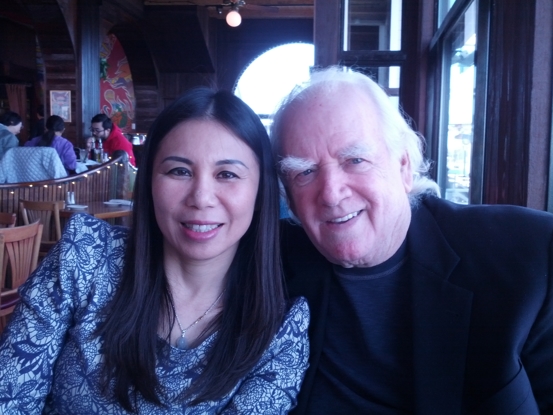
Hayward resident George Hansen has experienced his share of health scares with an abdominal aortic aneurysm 30 years ago, quadruple heart bypass 20 ...
Continue Reading
People with atrial fibrillation (AFib), or an irregular heartbeat, have traditionally relied on blood thinning medications to help prevent blood clots ...
Continue Reading.png)
Thank goodness for Ted Chin’s bad knees. If not for the age-related arthritis, the 74-year-old wouldn’t have known he was at risk of heart attack. “If ...
Continue Reading